


In 2026, the biggest thief of your productivity is not social media or constant notifications. The true culprit is something far more subtle that scientists have dubbed the "Brain Tax." This is an invisible cognitive load you pay simply for having your smartphone near you, even if it is turned off, face down, or in another room.
Modern neuroscience has confirmed that our brain dedicates a massive amount of energy to a single task: ignoring the phone. This phenomenon, known as "Phantom Drain," drastically reduces your working memory capacity and mental sharpness. It is like trying to run a marathon while carrying a backpack full of stones; you get tired faster and move much less than you could.
Many professionals believe they are productive because they control their "screen time," but they ignore that the simple fact of knowing the device is within reach consumes up to 20 percent of their intellectual resources. There is a common mistake in the way we organize our workspace that guarantees we end the day mentally exhausted, even if we haven't done anything complex. But there is a "Mental Airplane Mode" setting that can give you back two hours of your life every day immediately...

The Persistent Presence and Opportunity Cost
Your smartphone is the object with the highest emotional and social weight in your life. Your brain knows it. Even if it doesn't vibrate, your subconscious is constantly scanning the environment for that possible signal. This state of "low-intensity alertness" is what generates mental fatigue at the end of the day. It’s not that you’ve worked too hard; it’s that your brain has been fighting a silent battle against temptation for eight hours.
In 2026, high-performance leaders have stopped trying to rely on "willpower." They have understood that attention is a finite resource and that every second spent not looking at the phone is a second not spent creating value or solving problems.
The Myth of Control: Why "Face Down" Doesn't Work
A recent study showed that professionals who work with their phone on the table perform significantly worse on cognitive tests than those who leave it in another room. The surprising part is that it doesn't matter if the phone is silenced; the mere visual presence of the device activates the brain's reward and anxiety areas.
This "tax" is paid in the form of subtle errors, a lack of depth in analysis, and a constant feeling of being overwhelmed. If you want to regain your genius capacity, silencing notifications is not enough; you have to eliminate the physical presence of the object from your field of perception.
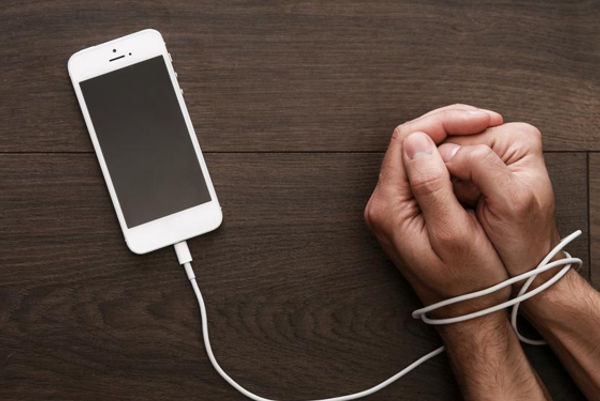
How to Activate Your "Mental Airplane Mode"
To stop paying this tax and recover your focus, 2026 science recommends three sensory isolation protocols:
1. The Physical Distance Rule
During your deep work periods, the phone must be physically in another room. The barrier of having to get up and walk is enough for the brain to stop dedicating resources to monitoring the device. The increase in mental clarity is almost instantaneous.
2. Clearing Visual Anchors
If you use your phone for work (calls or authentication), put it in a drawer. Do not allow it to be in your line of sight. If the eye doesn't see it, the brain doesn't have to waste energy ignoring it.
3. Intentional Connection Blocks
Instead of being "available" all day, set three specific times to check everything. By giving the brain the security that there will be a moment to look at the phone, you reduce the anxiety of "fear of missing out" (FOMO) during the rest of the time.

The Value of Your Mental Silence
Regaining two hours of your life doesn't require a new productivity app; it requires removing the one you already have in your pocket. The Brain Tax is optional, but most people pay it without question because it is invisible.
In a world where everyone is distracted, the ability to concentrate deeply is a massive competitive advantage. Protect your attention as if it were your company's most valuable asset, because in 2026, it truly is.
Your smartphone is an excellent tool for connecting with the world, but it is a terrible companion for connecting with yourself and your work. Take the phone out of the room and watch how your intelligence returns on its own.



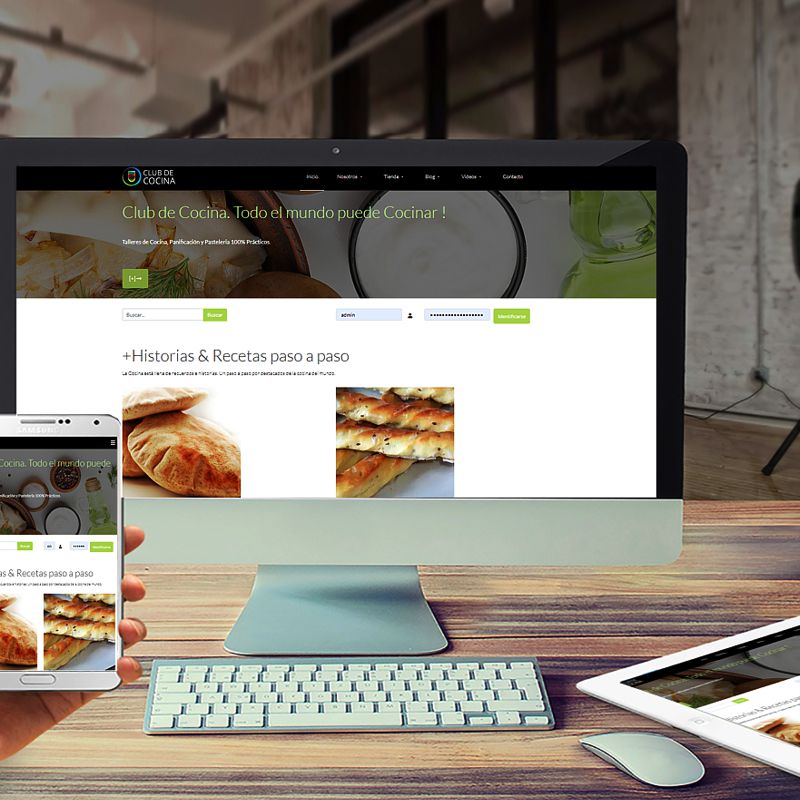

 We turn your ideas into reality, creating unique digital experiences. With more than 15 years of knowledge and experience, we design and develop custom websites. We build brands and help them achieve success. We offer a complete service, from design and content creation to social media integration and administration.


