The first time you hear about NFTs (Non-Fungible Tokens), your head probably spins. How is it possible that a simple digital image, one that anyone can right-click and save, sells for millions of dollars? Is it a bubble? Is it a scam? Is it genius? If you are still scratching your head about this topic, don't worry.
Forget for a moment about technical words like "cryptography" or "minting." To understand an NFT, you only need to recall a simple childhood concept: ownership and scarcity.
We are going to dismantle the NFT concept, not as a technology, but as a digital deed of ownership that is redefining how we value things in the internet of the future (Web3).
Understanding the Secret Word: Fungibility
The key to the term NFT is hidden in its name: Non-Fungible Token. For a beginner, these three words are the wall you need to tear down.
1. Fungible: Money and Water
Something is fungible if it is perfectly interchangeable with another identical unit, and its value remains the same.
- Example: A 10-dollar bill is fungible. If you give me one 10-dollar bill and I give you a different one, we both have exactly the same value. It is irrelevant which bill we have.
- Another Example: Gold or water. One gram of pure gold is equal to any other gram of pure gold.
2. Non-Fungible: The Artwork and You
Something is non-fungible if it is unique, irreplaceable, and cannot be exchanged for something else without changing its value or identity.
- Example: You are a non-fungible person. If I wanted to trade you for another person, the value and identity would change completely.
- Another Example: The Mona Lisa. If I replace it with an identical copy, it is no longer the original and loses its value as a unique piece of art.
Conclusion: An NFT is a digital asset that, by definition, is unique and cannot be replaced by an identical token. This makes it a certificate of authenticity and ownership.
The Heart of the NFT: The Digital Deed
Now let's go back to the original question: why is an image that I can download so valuable?
This is where the Blockchain comes into play, the technology we explored previously.
Imagine you have a very rare Pokémon card, signed by the creator. That card has value because:
- It is Physical: You have the original card in your hands.
- It has a Certificate: The signature or official seal proves it is unique.
In the digital world, everything was fungible. An image file was infinitely copyable. But with NFTs, this changes:
The NFT is not the image; it is the certificate of ownership.
When someone "buys" an NFT, what they are actually acquiring is a unique Token (a digital code) that is registered on the Blockchain (the immutable ledger). This code permanently and irrefutably states that:
"Digital address A is the sole owner of the token that points to digital file X."
Anyone can have a copy of the digital image (a GIF, a JPG), but only the NFT owner possesses the original deed that validates its authenticity and ownership history.
The Value of Scarcity and Community
To understand the value of NFTs, you have to understand two key factors that go beyond simple art:
1. The Ownership Club (Status)
Why do people pay millions for a designer bag if a cheap backpack serves to carry things? Because they are paying for the status, exclusivity, and access that brand confers.
NFTs work similarly, but in the digital world:
- Access (Utility): Many NFTs are not just art; they are access keys. If you own an NFT from a specific collection, you may get tickets to exclusive events, join private communities (DAOs), or receive discounts on future brand products.
- Identity (Flexing): Owning a rare NFT is a way to show status online. It is your avatar, your profile picture, and it is a way of saying: "I am a pioneer, I am part of this exclusive community, and I can afford this piece." Digital scarcity becomes a social currency.
2. The Work's Lineage (Traceability)
The Blockchain solves one of the biggest problems of digital art: piracy.
Since each NFT carries an immutable transaction history with it, the work can always be traced back to its original creator. This gives collectors confidence that what they are buying is authentic and not a counterfeit.
In addition, the smart contracts associated with NFTs allow creators to set up an automatic royalty. Every time that NFT is resold on the market, the original creator receives a small percentage of the sale. This revolutionizes how artists and creators can monetize their work in the long term.
⚙️ The Process for Newbies: Minting an NFT
If you ever decide to create or buy an NFT, you will come across the term "minting."
Think of minting as the process of taking your digital file (the image, video, song) and permanently sealing it onto the Blockchain to convert it into a Non-Fungible Token.
The basic steps are (simply explained):
- Creation: You create the digital art or asset you want to sell.
- Digital Wallet: You need a digital wallet (like MetaMask) that allows you to interact with the Blockchain and store your cryptocurrencies (the "fuel" for the network, usually Ethereum or Solana).
- The Platform (Marketplace): You upload your asset to an NFT marketplace (like OpenSea or Magic Eden).
- Minting: The platform "coins" the token, which means the unique code of the NFT is written onto the Blockchain. This step has a cost (the "gas fee"), which is the payment to the miners/validators for securing your transaction.
- Sale: Once minted, the NFT is ready to be sold or exchanged with its digital certificate of ownership embedded.
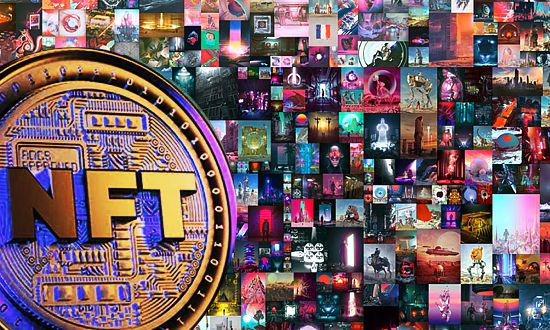
What types of NFTs exist?
Art is the best known, but the application of NFTs goes far beyond:
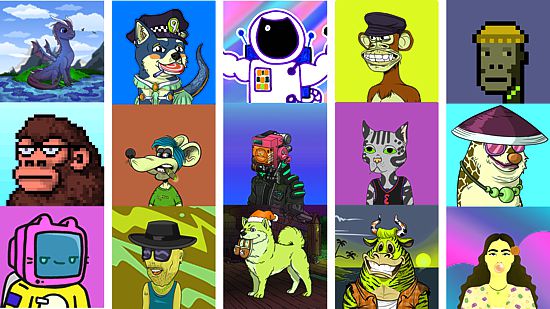
- Collectibles: Profile picture (PFP) avatars like Bored Apes or Cryptopunks. They are valued for community and status.
- Music: Artists selling songs or albums as NFTs, giving the owner special rights or royalties.
- Tickets and Admissions: Digital event tickets to combat resales and counterfeits.
- Gaming: Weapons, skins, or characters within video games that the player truly owns and can sell outside the game. This is known as Play-to-Earn.
- Real Estate: Although still nascent, ways are being explored to represent real estate titles or vehicles as NFTs.
One Last Thought (and Warning)
It is crucial that, as a beginner, you understand that the NFT market is volatile and speculative. Many projects are worthless.
The value is not in the image, but in the story it carries, the utility it offers, and the community that supports it.
The NFT is not a passing fad; it is the way Web3 has solved the fundamental problem of digital ownership. It is not just about monkey art, but about allowing any creator, anywhere in the world, to monetize a digital asset and retain control over it, without the need for a central intermediary. The era of digital ownership has just begun.