Have you ever thought that medicine only advances thanks to new drugs and brilliant surgeons? While that's true, the real revolution in health over the next few years is not in the lab, but in the chip. The technology, which we use to create websites in Neobox, is entering the human body and hospitals in ways previously only seen in movies.
From Artificial Intelligence (AI) that can spot a tumor before an expert eye, to surgeries performed thousands of miles away, we are on the verge of medicine that is faster, more precise, and, above all, more personalized.
If you are a beginner in technology or simply curious about the future, this guide is for you. We are going to explore the 8 technological "superpowers" that will cease to be futuristic and become your new medical normal before 2026.
1. The Bionic Eye: Artificial Intelligence (AI) and Machine Learning
AI is not just writing emails or designing images; its most crucial impact is in diagnosis.
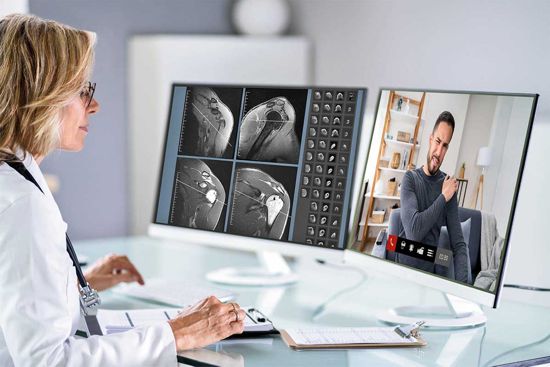
- How does it work? Machine Learning models can be trained with millions of scans, X-rays, and ultrasounds. After seeing so many cases, the AI develops a pattern detection capability superior to human one.
- The Superpower: AI acts as a "second doctor" who never gets tired and never has a bad day. It can point out tiny anomalies that a radiologist might overlook due to fatigue. For example, in the early detection of breast cancer or glaucoma, the speed and accuracy of AI are saving lives by allowing for earlier treatments.
2. Goodbye to Lines: Telemedicine and Remote Care
The pandemic accelerated a change that was already inevitable: the ability to receive medical care without having to leave home.
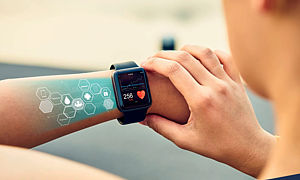
- How does it work? It's not just about video calls. Telemedicine includes remote monitoring. Patients use connected devices (watches, patches, wearables) that collect vital data (heart rate, glucose levels) and send it in real time to the doctor.
- The Superpower: It eliminates geographical barriers and reduces waiting times. For patients with chronic diseases or those living in rural areas, constant monitoring and virtual consultation mean better management of their health and fewer unnecessary trips.
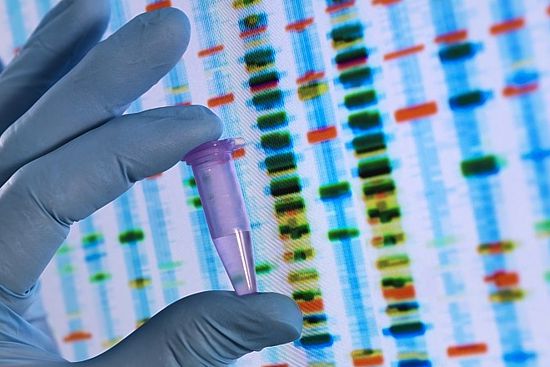
3. Tailor-Made Medicine: Genomics and Personalization
Historically, drugs have been designed for the "average person." Personalized medicine is the idea that your treatment should be as unique as your DNA.
- How does it work? Your genome is mapped. By understanding how your body metabolizes certain drugs (what is called pharmacogenomics), doctors can prescribe exact doses or avoid medications that they know won't work or will cause severe side effects.
- The Superpower: More effectiveness and less risk. In oncology, for example, precision medicine allows for the creation of targeted therapies that attack cancer cells with specific genetic mutations, leaving healthy cells intact.
4. Your Digital Double: Digital Twins
This concept comes from engineering (where they are used to simulate the performance of aircraft engines) and is now jumping into biology.
- How does it work? A digital twin is an exact, real-time virtual replica of something: it can be an organ, an entire person, or even a hospital network. It is fed with data from your medical history, your genetics, and your monitors.
- The Superpower: It allows doctors to test treatments or surgeries on your virtual double before touching your actual body. This drastically reduces risk and allows for highly accurate prediction of how you will react to a new medication or diet change.
5. The Organ Factory: 3D Printing and Bioprinting
3D printing is already used to create cheaper and more effective personalized prosthetics. But the real future lies in bioprinting.
- How does it work? Instead of using plastic, 3D printers use "bio-inks" made of living cells and biological materials. This allows for the creation of organic structures layer by layer.
- The Superpower: Although still in advanced research, the goal is to print tissues, skin, and even simple organs (like liver tissue) for use in drug testing, eliminating the need for animal experimentation. The dream is to print complete organs for transplants.
6. Nanorobots: Ultra-Miniature Medicine
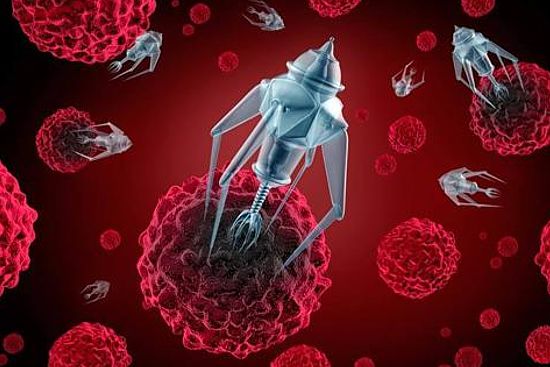
Imagine tiny robots the size of a cell traveling through your bloodstream looking for problems.
- How does it work? Nanobots are being designed for very specific tasks: releasing chemotherapy medication directly into a cancerous tumor (avoiding collateral damage to other cells) or seeking out and destroying harmful bacteria.
- The Superpower: It offers a precision of treatment that is impossible with traditional medicines. It is like sending a guided missile instead of dropping a bomb.
7. Augmented Reality (AR) and Virtual Reality (VR)
These immersive technologies are not just for video games; they are revolutionizing both medical training and pain treatment.
- How does it work?
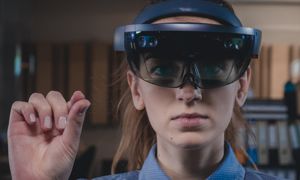
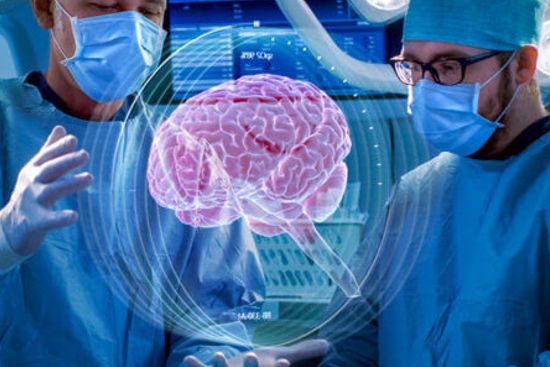
- AR for Surgery: A surgeon wears glasses that overlay vital information (such as MRI data) directly onto the patient's body during the operation, like an invisible roadmap.
- VR for Patients: It is used for distraction therapy, helping patients with severe burns or chronic pain to "escape" their reality, often being more effective than traditional analgesics.
- The Superpower: AR improves accuracy in complex procedures, and VR offers a non-addictive and powerful tool for managing pain and anxiety.
8. Blockchain for Medical Data Security
After talking about cutting-edge technologies, we return to the foundation: data security. Your medical data is perhaps the most sensitive data there is.
- How does it work? Using Blockchain technology (which we already saw in Web3) to create an immutable and decentralized record of medical histories. This not only makes the data almost impossible to hack or manipulate, but also gives the patient complete control over who can access it.
- The Superpower: It breaks down the barriers of isolated hospital systems. If you go to a hospital in another country, you can instantly and securely authorize that doctor to see your complete history without relying on faxes or outdated systems.
The Future is You
What all these superpowers have in common is that they are moving medicine from being a reactive model ("we cure you when you get sick") to a proactive and preventive model ("we prevent you from getting sick").
For the beginner in technology, the message is clear: the next time you see an article about AI or Blockchain, remember that these are not just business tools; they are the technological foundations that will soon be protecting your health and that of your family. Software is literally becoming the engine of life.